How Much Does Drywall Cost?

September 5, 2021

How Much Does Drywall Cost?

Before beginning any remodeling project, you should have a budget in mind and should estimate the cost of the project to be sure that you can accomplish the project with the amount of money you have available.  When budgeting for a drywall project, there are several factors to consider.


First, decide if you will
install the drywall yourself or will hire a professional to install all or part of the job.  If you will be doing all of the labor yourself, there is no monetary cost to factor into your budget (but do not forget that your time must be budgeted as well!).  If you choose to hire a professional to do the work, $2 per square foot is a good average cost to use for preliminary budgeting.  This can vary with the size and complexity of the job, however, so getting a quote before making any final decisions is highly recommended.


The next item to consider is the type of drywall you will be using.  Drywall comes in several thicknesses and sizes, each of which is best suited for a certain application.  A standard 8’ x 4’ sheet of drywall costs between $10 and $20, while a 16” square for small patches will cost around $5.
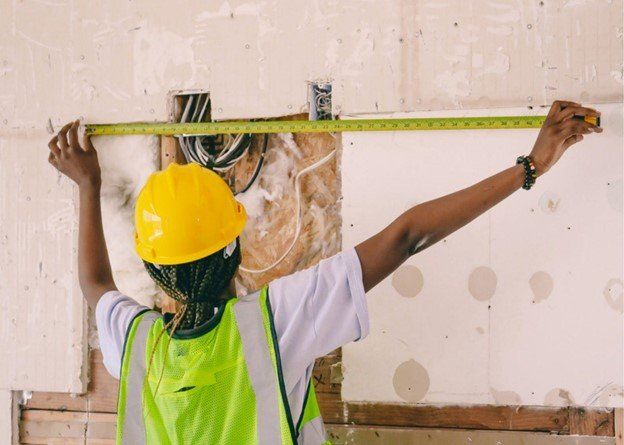
You will need a variety of supplies for your drywall project.  Joint tape can cost anywhere from $1.75 to $15 per roll (though most rolls of tape are in the $3 to $5 range).  Unmixed drywall compound (or “mud”, as it is more commonly known) should cost between $5 and $9, while premixed compound is closer to $15 for 5 gallons.  The cost of fasteners varies widely based on the type and number of fasteners required for the type of installation to be done.  If you do not already own the necessary tools to complete the job, you will need to include the cost of tools in your estimate as well.


So what do all these numbers mean for your project?  Is there a simple calculation?  Yes and no.  First, measure the area that you plan to cover with drywall.  If you are using standard sheets of drywall, one sheet will cover approximately 32 square feet (be sure to account for wastage due to corners, curves, or other non-standard items).  If you plan to pay for professional installation, you can safely estimate paying between $40 and $60 per sheet of drywall for materials and labor for an average-sized job.  Small jobs or jobs with intricate details could cost up to $150 per sheet.


If you plan to provide all the labor yourself, you only need to calculate the cost of materials.  $20 to $30 per sheet of drywall is a great starting place for estimating the total cost of the drywall, fasteners, mud, and tape.  As with any project, however, shopping around to get an idea of the current prices of materials and labor is always highly recommended before making any final decisions. 


Need a quote?  Still have questions? Our professionals at
Drywall Victoria are here to help with all your drywall needs!


You might also like
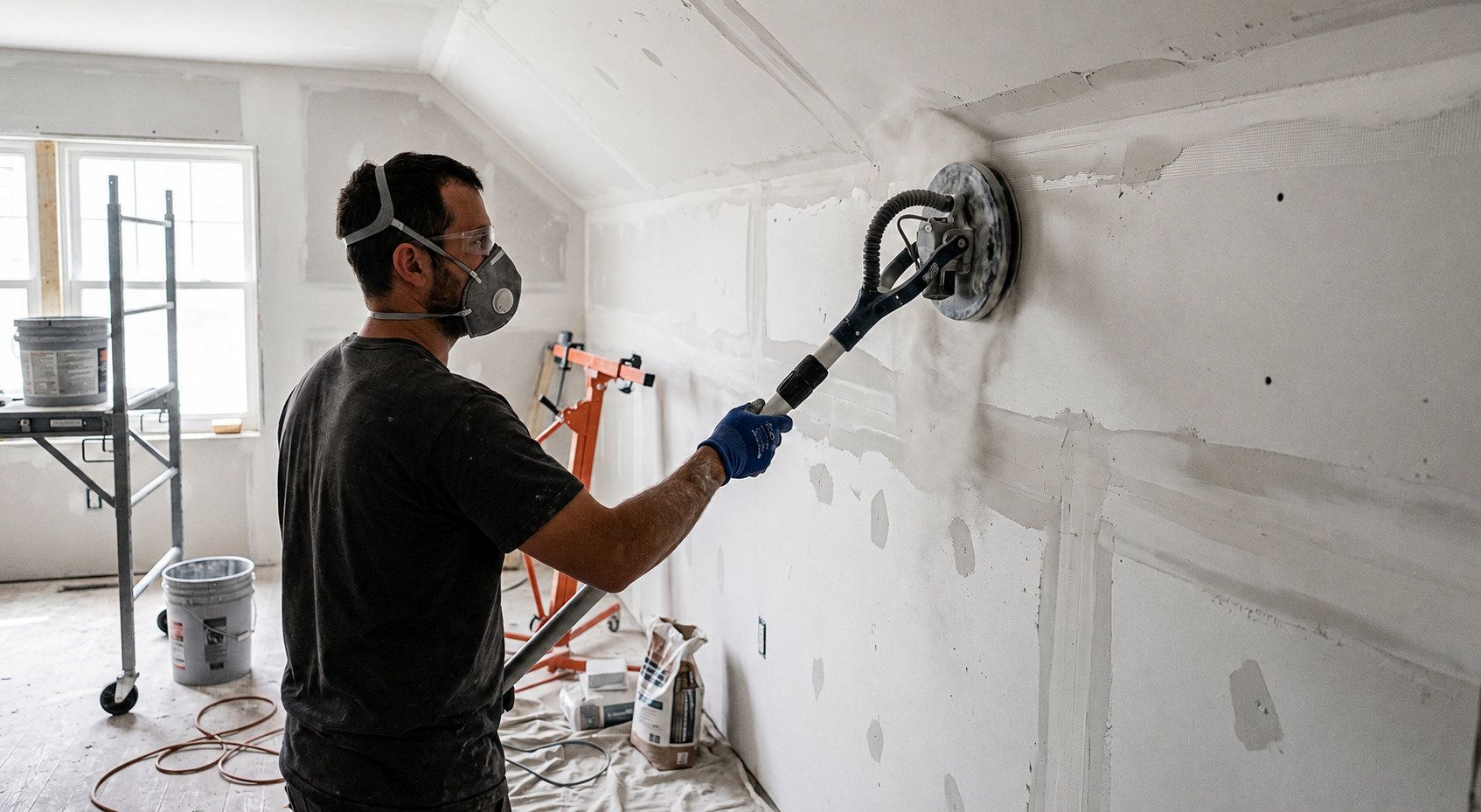
January 4, 2026
The Importance of Professional Drywall Work
June 4, 2025
Noticed a crack above your doorframe? A weird bubble under the paint? Or maybe your drywall has seen better days after years of wear and tear? If you’re wondering whether to patch things up or start fresh, you’re not alone. At Drywall Victoria CNL , we get this question all the time: "Should I repair my drywall, or does it need to be replaced entirely?" Let’s break it down simply, so you know what’s best for your home and your wallet.
May 2, 2024
Embarking on a do-it-yourself (DIY) drywall project can be both rewarding and challenging. Whether you're repairing a small hole or tackling a larger renovation, having the right tools and equipment is crucial for achieving professional-looking results. In this guide, we'll outline the essential drywall tools and equipment that every DIYer should have in their arsenal. Utility Knife A sharp utility knife is indispensable for cutting drywall panels to size, scoring and snapping them along straight lines, and trimming edges with precision. Look for a retractable knife with a comfortable grip and replaceable blades for efficiency and safety. Taping Knife Taping knives come in various sizes, but a 6-inch and 12-inch knife are essential for applying joint compound (mud) and smoothing tape during the taping and mudding process. Opt for stainless steel blades for durability and easy cleanup. Drywall Saw or Jab Saw For cutting openings for electrical outlets, light switches, or plumbing fixtures, a drywall saw or jab saw is indispensable. These saws feature sharp teeth designed to cut through drywall cleanly and efficiently. Drywall Screw Gun Driving screws into drywall by hand can be tedious and time-consuming. A drywall screw gun, specifically designed for this purpose, makes the task much faster and more effortless. Look for a screw gun with depth adjustment settings to ensure consistent screw depth without damaging the drywall surface. Drywall T-Square A drywall T-square is essential for marking and cutting straight lines on drywall panels accurately. This L-shaped tool provides a straight edge for scoring and snapping panels cleanly along predetermined measurements. Mud Pan A mud pan is a shallow, flat-bottomed container used for holding and mixing joint compound during the taping and mudding process. Choose a stainless steel or plastic mud pan with tapered sides for easy scooping and minimal waste. Sanding Block or Pole Sander After applying joint compound, sanding is necessary to smooth out imperfections and achieve a seamless finish. A sanding block or pole sander fitted with fine-grit sandpaper is ideal for this task, ensuring smooth, uniform results without damaging the drywall surface. Corner Trowel To achieve clean, crisp corners when taping and mudding inside corners, a corner trowel is indispensable. This specialized tool features a narrow blade designed to fit into tight spaces and create smooth, straight edges along corners. Drywall Lift (Optional) For larger projects or ceiling installations, a drywall lift can be a game-changer. This mechanical device holds drywall panels in place, allowing a single person to lift and position panels accurately without assistance. While not essential for small-scale DIY projects, a drywall lift can significantly reduce strain and simplify the installation process for larger jobs. With the right tools and equipment at your disposal, tackling a DIY drywall project becomes much more manageable and enjoyable. Whether you're patching a small hole or renovating an entire room, investing in high-quality tools designed specifically for drywall work will help you achieve professional-looking results and save time and frustration in the process. If you ever get in over your head on your project, don't hesitate to call us. Our drywall installation and repair experts are always ready to help!
estimated_quoteArtboard 3

FREE QUOTE

Request a quote

Contact Us